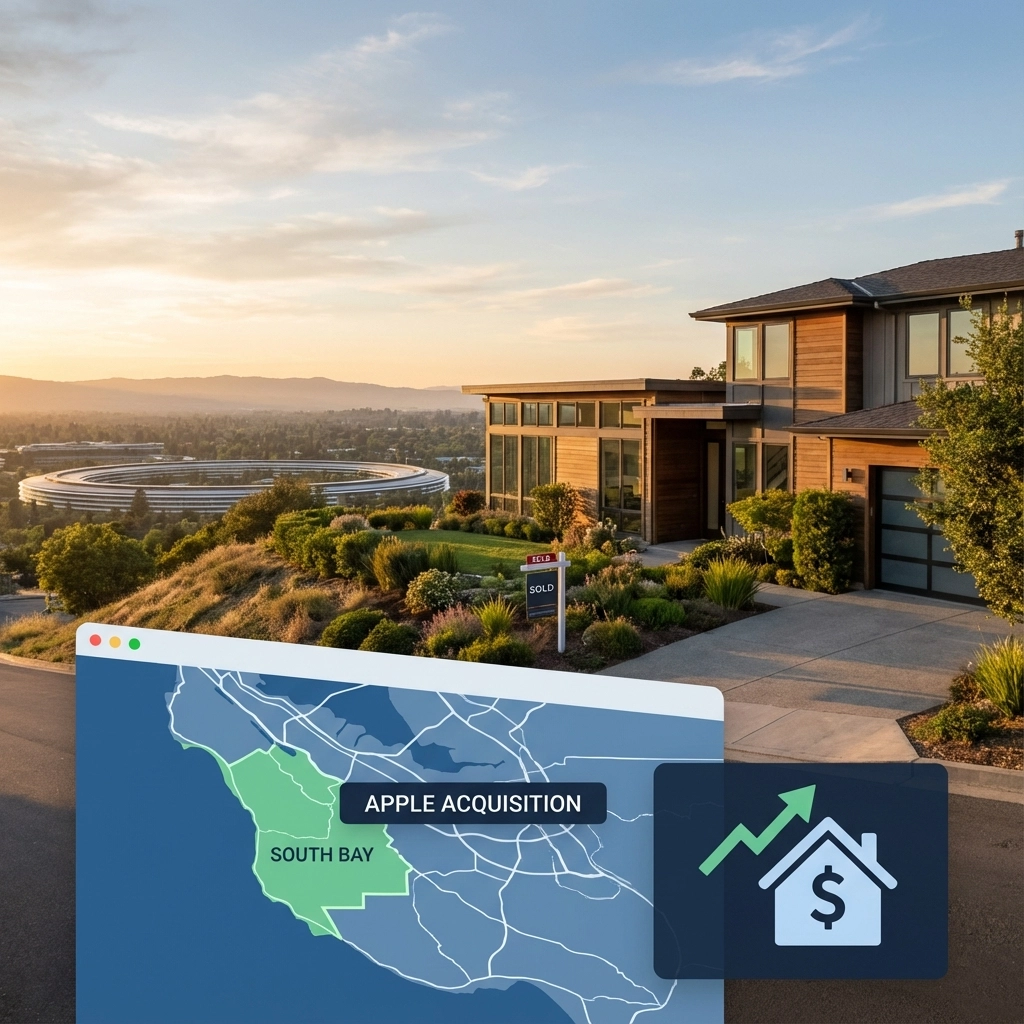
When Apple writes a check for $1.1 billion in South Bay real estate over the course of 2025, the ripple effects reach every homeowner and prospective buyer from Cupertino to San Jose. The tech giant's latest moves: including a $216 million December purchase of two office buildings in Cupertino: signal something bigger than just corporate expansion. They're reshaping the entire residential landscape in ways that will impact your property's value and your buying power.
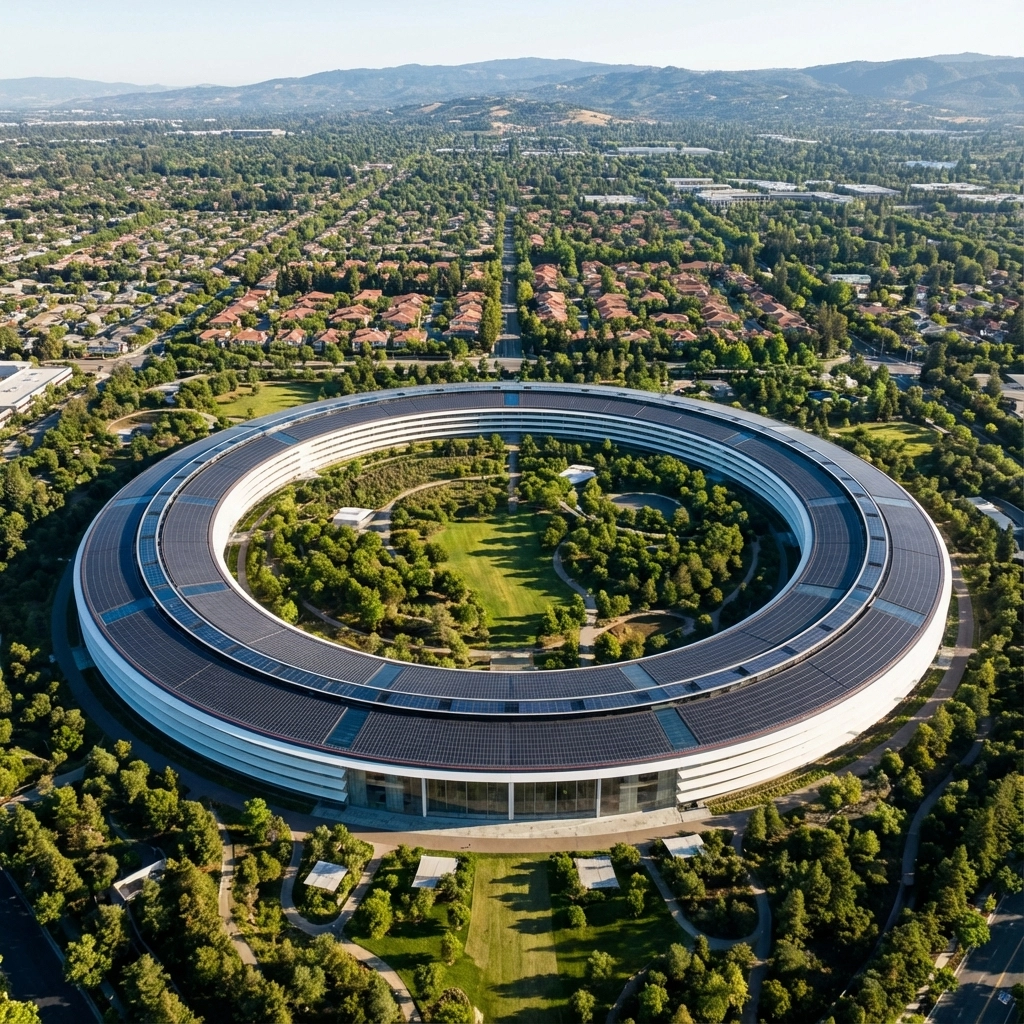
The Numbers Behind Apple's South Bay Commitment
Apple's 2025 real estate spree isn't just impressive: it's unprecedented. The company has been systematically acquiring properties they previously leased, transitioning from tenant to owner across multiple Silicon Valley locations. This isn't speculative investment; it's a long-term commitment to keeping their operations rooted in the heart of tech country.
The December purchases alone: two office buildings for $216 million: reflect property values of approximately $720 per square foot. That's premium pricing that demonstrates Apple's confidence in the South Bay market's continued strength, even as other tech companies reassess their real estate footprints.
What Corporate Investment Really Means for Your Home
When a company the size of Apple makes billion-dollar real estate commitments in your backyard, three immediate effects ripple through the residential market:
Increased Area Desirability: Apple's permanent presence elevates the entire region's profile. Cities like Cupertino, Sunnyvale, and neighboring communities become even more attractive to high-earning tech professionals who want short commutes and proximity to innovation centers.
Employment Stability: Apple's property purchases signal job security for thousands of current employees and future hiring plans. This employment stability translates directly into housing demand from buyers with strong financial profiles.
Infrastructure Investment: Major corporations often drive improvements in local infrastructure, schools, and services: amenities that boost residential property values across the broader area.

The Housing Supply Reality Check
Here's where Apple's investment creates both opportunity and challenge for homeowners. Since Apple Park opened in 2017, bringing 12,000+ employees to the area, Cupertino has permitted only a few hundred new housing units. During this same period, average home prices in the area have surged by more than $1.25 million.
Apple's continued expansion intensifies this supply-demand imbalance. More employees need places to live, but new housing construction hasn't kept pace. For current homeowners, this translates to continued upward pressure on property values. For prospective buyers, it means increased competition and higher prices.
Geographic Impact Zones: Where Values Will Feel the Biggest Boost
While Apple's presence affects the entire South Bay, certain areas will see more pronounced impacts:
Immediate Impact Zone (Cupertino, Sunnyvale, Mountain View): Properties within a 10-mile radius of major Apple facilities typically see the strongest value appreciation. These areas offer the shortest commutes and highest convenience factors for Apple employees.
Secondary Impact Zone (San Jose, Santa Clara, Los Altos): Slightly longer commutes but still highly desirable for tech workers seeking more space or different community amenities. Values here rise steadily but less dramatically than immediate zones.
Ripple Effect Areas (Palo Alto, Menlo Park): Already expensive due to proximity to other tech giants, but Apple's commitment adds another layer of employment stability that supports continued high values.

Timing Considerations for Sellers
If you're thinking about selling your South Bay home, Apple's billion-dollar commitment creates interesting timing dynamics:
The "Confidence Factor": Major corporate investments like this often boost buyer confidence, making them more willing to compete aggressively for desirable properties.
Spring Market Momentum: With Apple's December announcements fresh in buyers' minds, the 2026 spring selling season could see increased urgency from tech workers looking to capitalize on stock gains and secure housing near their expanding workplace.
Inventory Competition: As more homeowners recognize these value increases, more may consider selling, potentially increasing inventory and creating a more balanced market.
What This Means for Tech Worker Buyers
If you work in tech and you've been waiting for the "right time" to buy in the South Bay, Apple's investment changes the calculation:
Stock-to-Real Estate Conversion Window: Many tech employees are sitting on substantial stock gains. Apple's commitment suggests South Bay real estate remains a solid vehicle for converting those gains into tangible assets before potential market corrections.
Competition Intensification: More Apple employees with stable, high-paying jobs means more qualified buyers competing for limited inventory. Pre-approval and strong offers become even more critical.
Commute Value Premium: Properties offering easy access to Apple facilities will command premium prices, but they also offer the best long-term value appreciation potential.

Infrastructure and Quality of Life Considerations
Apple's expansion isn't just about job creation: it affects daily life in measurable ways:
Traffic and Transit: More employees mean increased traffic congestion, particularly on routes to and from Apple facilities. Properties near public transit or with reverse commute advantages become more valuable.
School District Pressure: Tech families with children create additional demand for homes in top-rated school districts. Areas like Los Altos, Palo Alto, and parts of San Jose see this effect most clearly.
Commercial Development: Apple's presence attracts supporting businesses: restaurants, services, retail: that make surrounding residential areas more desirable and convenient.
Long-Term Market Predictions
Based on Apple's commitment and similar corporate investments historically, several trends emerge:
Continued Value Appreciation: Areas with major tech employer presence typically see steady 5-7% annual home value increases, outpacing national averages.
Market Resilience: During economic downturns, communities with stable major employers like Apple tend to experience less dramatic value declines and faster recoveries.
Premium for Proximity: The convenience premium for homes near major employment centers continues to grow as commute times and costs increase.
Practical Next Steps for Homeowners
Whether you're buying or selling, Apple's South Bay investment should inform your strategy:
For Sellers: Consider listing in early 2026 to capitalize on post-announcement buyer enthusiasm while inventory remains relatively limited.
For Buyers: Get pre-approved now and work with agents who understand the tech employment market. Properties near Apple facilities will move quickly.
For Current Homeowners: This is an excellent time to assess your home's value and consider renovation investments that align with tech buyer preferences: home offices, high-speed internet infrastructure, and modern amenities.
Your South Bay Homes Market Expertise
At Your South Bay Homes, we've been tracking these corporate investment patterns and their residential market impacts for years. Apple's $1.1 billion commitment represents more than just business news: it's a fundamental shift in South Bay real estate dynamics that requires specialized knowledge to navigate effectively.
Our team understands how tech company decisions translate into residential market opportunities. Whether you're a current homeowner curious about your property's appreciation potential or a tech employee ready to make your South Bay home purchase, we provide the local expertise and market analysis you need to make informed decisions.
The South Bay real estate market is entering a new phase, driven by unprecedented corporate commitment and continued housing supply constraints. Apple's investment validates what many of us have known: this region remains the heart of global technology innovation, and that designation comes with significant real estate value implications.
For detailed market analysis specific to your neighborhood or to discuss how Apple's expansion might affect your buying or selling timeline, visit our market analysis page or explore our current market reports.
The question isn't whether Apple's billion-dollar investment will impact South Bay home values: it's how quickly and how significantly those changes will affect your specific situation.
Leave a Reply