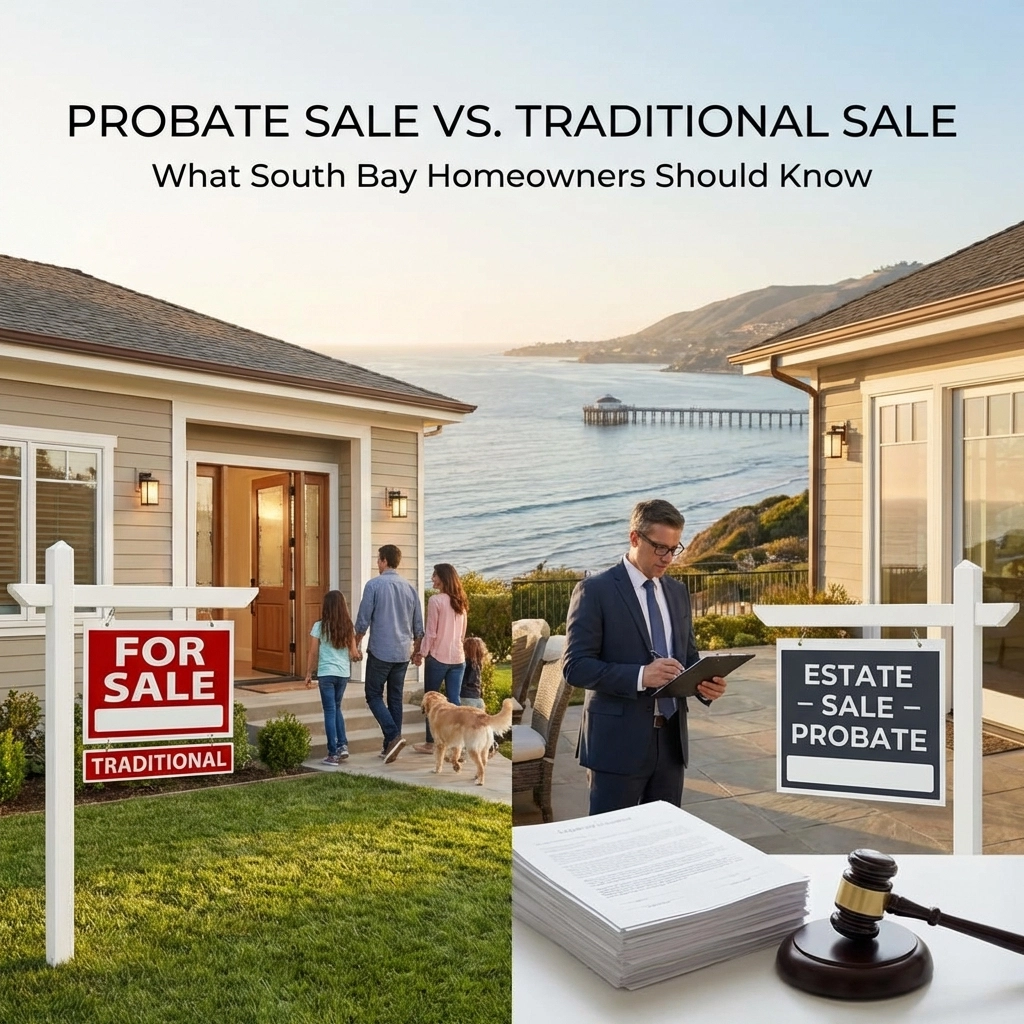
If you've recently inherited a property in the South Bay or Silicon Valley, you might be hearing the term "probate sale" for the first time. It can sound intimidating, but understanding how probate sales work: and how they differ from traditional home sales: can help you navigate the process with confidence.
Whether you're an heir trying to sell an inherited home or a buyer curious about probate opportunities, this guide breaks down everything you need to know in plain, simple terms.
What Is a Probate Sale?
A probate sale occurs when a property is sold as part of settling a deceased person's estate. This typically happens when someone passes away without a living trust in place, or when their assets must go through the probate court system to be distributed to heirs or used to pay off debts.
The key thing to understand is that probate sales require court oversight and approval. Unlike a traditional sale where you and a buyer simply agree on terms and close, a probate sale involves the legal system at multiple stages.
When Does a Probate Sale Happen?
Probate sales commonly occur in these situations:
- The homeowner passed away without a will (intestate)
- The homeowner had a will but no living trust
- The estate has debts that need to be settled before assets can be distributed
- Multiple heirs inherit a property and decide to sell rather than keep it
- The executor of the estate determines selling is the best course of action
In the South Bay, where property values are significant, probate sales are more common than many people realize. Families often choose to sell inherited homes to divide assets fairly among heirs or to cover estate-related expenses.
Key Differences Between Probate and Traditional Sales
Let's walk through the major ways probate sales differ from the traditional home-selling process you might be more familiar with.
Court Involvement
Traditional Sale: A straightforward private transaction between buyer and seller. No court involvement required.
Probate Sale: The court oversees and must approve the sale at multiple stages. An executor (also called a personal representative) handles the sale on behalf of the estate, and their authority level determines how much court approval is needed.
Some executors have "Full Authority," which allows them to sell the property without prior court approval. Others have "Limited Authority," meaning they need court consultation and confirmation before finalizing any sale.
Timeline
This is where many people get surprised.
Traditional Sale: Most home sales in the South Bay close within 30 to 60 days once an offer is accepted.
Probate Sale: Expect several months: sometimes up to a year or longer. The court approval process adds significant time, and if there are disputes among heirs, debt settlement issues, or complex estate matters, the timeline extends even further.
If you're inheriting a property and need to sell quickly, it's important to set realistic expectations from the start.
Property Condition
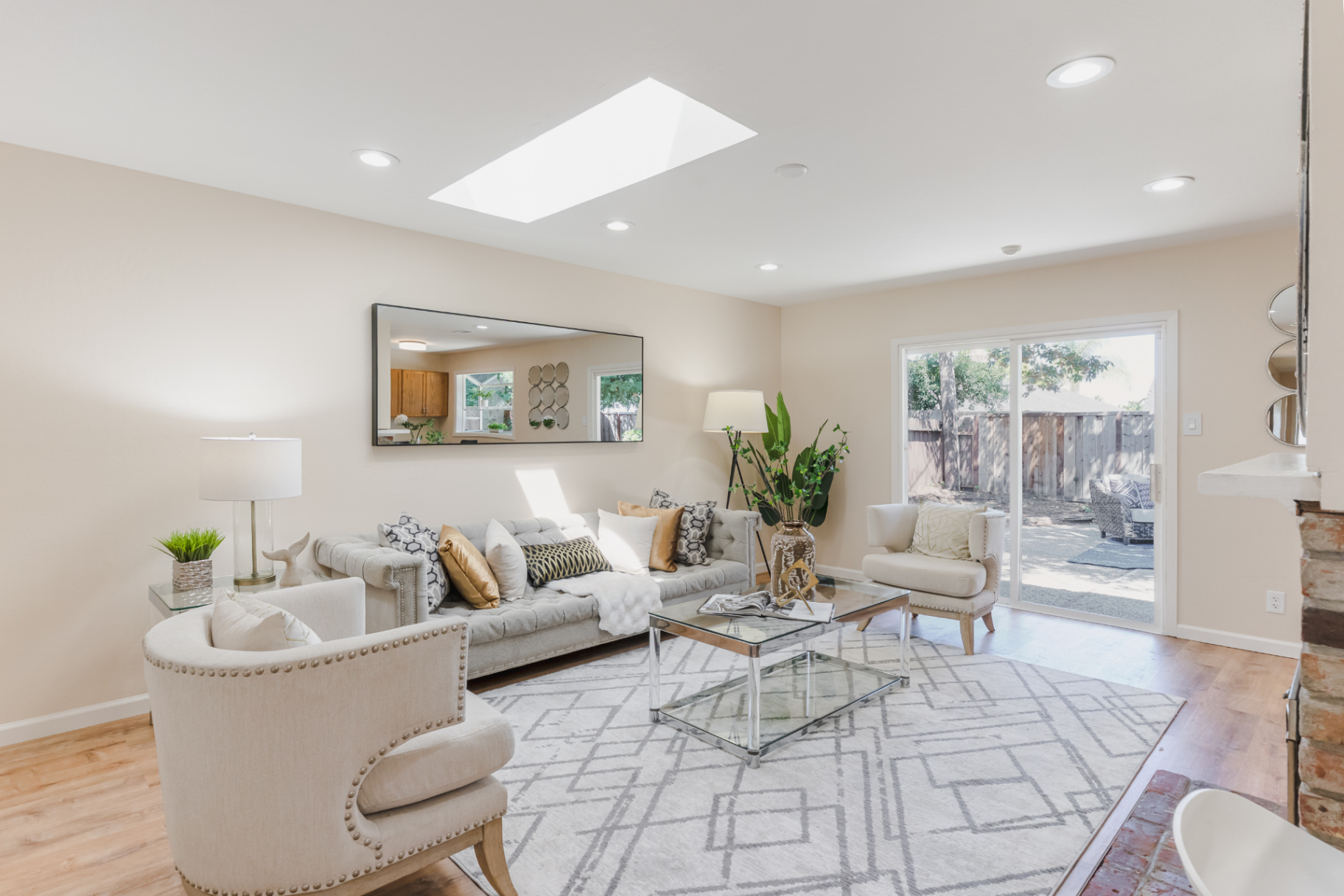
Traditional Sale: Sellers typically make repairs, updates, and improvements before listing. Buyers can negotiate for repairs based on inspection findings.
Probate Sale: Properties are sold "as-is." Buyers accept the home in its current condition, and the estate won't make repairs or improvements. There are generally no contingencies in probate sales.
This is an important consideration for both parties. Buyers should be prepared for potential repair costs after purchase. Sellers (or executors) should understand that pricing may need to reflect the as-is condition.
Pricing Requirements
Traditional Sale: You can list and sell your home for whatever price the market will bear. There are no legal requirements about minimum pricing.
Probate Sale: The property must sell for at least 90% of the appraised value, with the appraisal conducted within one year of the sale. This protects the estate and ensures heirs receive fair value for the property.
In practice, probate homes are often listed at lower prices to attract buyer interest and compensate for the as-is condition and longer timeline.
The Overbidding Process
Here's something unique to probate sales that catches many buyers off guard.
Traditional Sale: Once a seller accepts your offer and you're in contract, barring major issues, you're generally on track to close.
Probate Sale: Even after the executor accepts an offer, other buyers can submit higher bids during the court confirmation hearing. This is called "overbidding."
The court hearing functions somewhat like an auction. If another buyer outbids you at the confirmation hearing, you could lose the property: even after your offer was initially accepted.
For buyers, this means you need to be prepared for competition and potentially bidding higher than your original offer. For sellers and estates, this process can sometimes result in a higher final sale price.
Who Typically Buys Probate Properties?
Probate homes attract a specific type of buyer:
- Investors looking for properties they can renovate and flip or hold as rentals
- Experienced buyers comfortable with as-is purchases and longer timelines
- Patient first-time buyers willing to navigate the process for potential below-market pricing
- Cash buyers who can move quickly and don't need traditional financing contingencies
The probate process naturally filters out buyers who need a fast, straightforward transaction. Those who remain are typically more flexible and prepared for the unique challenges involved.
Risks to Consider
For Buyers
- Overbidding risk: You could lose the property at the confirmation hearing even after your offer is accepted
- Extended timeline: Be prepared to wait months for closing
- As-is condition: Budget for repairs and renovations after purchase
- Limited information: Estates may have incomplete knowledge about property history, repairs, or issues
For Sellers and Executors
- Lengthy process: Access to sale proceeds is delayed significantly
- Court requirements: Multiple appearances and approvals add complexity
- Emotional factors: Selling a loved one's home while navigating grief and family dynamics
- Potential disputes: Disagreements among heirs can further complicate and extend the process
What to Expect If You're Inheriting Property
If you've recently inherited a South Bay home and expect to go through probate, here's a general overview of what to expect:
-
An executor must be named by the court before anything can happen with the property. You cannot clean out, sell, or dispose of items in the home until this occurs.
-
The property will be appraised to establish fair market value for the 90% minimum sale requirement.
-
You'll work with a real estate agent experienced in probate sales who understands court procedures and timelines.
-
The property will be listed and marketed, often at a price designed to attract interest given the as-is condition.
-
Offers will be reviewed by the executor and potentially presented to the court for approval.
-
A confirmation hearing may be held where overbidding can occur.
-
Once confirmed by the court, the sale proceeds to closing.
Throughout this process, communication with your probate attorney and real estate agent is essential.
Is a Probate Sale Right for Your Situation?
If you're an heir deciding what to do with inherited property, consider:
- Do all heirs agree on selling?
- Are there estate debts that need to be settled?
- Is anyone interested in keeping or living in the property?
- What are the tax implications of selling vs. holding?
- How quickly do heirs need access to their inheritance?
Working with professionals who understand both probate law and South Bay real estate can help you make the best decision for your family's situation.
Getting Help with South Bay Probate Sales
Probate sales don't have to be overwhelming. With the right guidance and realistic expectations, you can successfully navigate the process: whether you're selling an inherited home or looking to purchase a probate property.
The South Bay market has its own unique dynamics, and having a local expert who understands both the real estate landscape and probate procedures makes a significant difference.
If you have questions about probate sales or need guidance on inherited property in the South Bay, visit our Seller Advice page or contact us directly to discuss your situation.
Leave a Reply